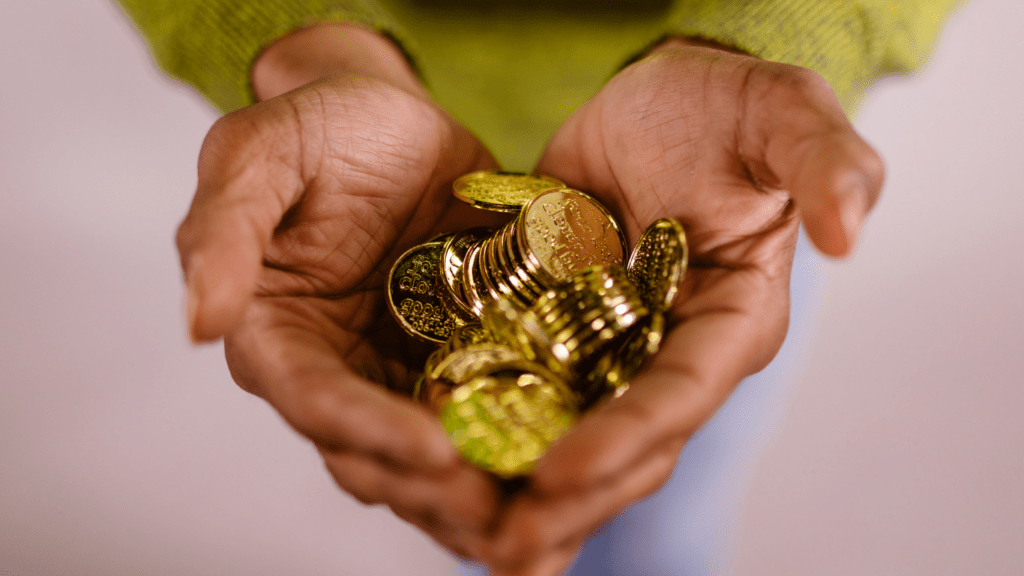
What NFTs Are Doing for Gamers
Digital ownership used to mean having access nothing more. You bought a skin or weapon, but you didn’t truly own it. Platforms could revoke it, limit where it could be used, and you definitely couldn’t resell or gift it. NFTs are rewriting that rulebook.
By tying in game assets to blockchain backed tokens, gamers now hold items they can prove they own. Skins, armor, land parcels, or even vehicles become tradeable, verifiable, and most importantly portable. Buy it, sell it, transfer it between compatible games or wallets. No middleman. No gatekeeper.
This shift gives players real leverage. Want to sell your rare sword? You can. Want to loan out a level boost item? That’s your call. With platforms building toward interoperability, NFTs are setting the stage for digital assets that follow you across ecosystems not just live inside one game.
It’s not just about gaming anymore. It’s about control.
How Gameplay is Evolving
NFTs are doing more than just changing how we own in game items they’re reshaping how we play.
Beyond XP: Asset Based Progression
Traditionally, progression in games was measured by stats like experience points, levels, and unlockable skills. In NFT powered games, progression includes tangible, tradable assets that players accumulate through gameplay.
Earn weapons, gear, and skins that hold on chain value
Maintain ownership even when leaving the game
Build a lasting inventory that reflects skill and time invested
These assets extend far beyond cosmetics they can influence gameplay, set strategy, or even provide passive income in virtual economies.
Smart Contracts: Rewarding Skill and Contribution
Game developers are now using blockchain based smart contracts to power built in reward systems. These automated systems can:
Distribute rewards based on player performance or contribution
Offer dynamic staking models tied to gameplay milestones
Enable events like tournaments or raids with programmable payouts
This means the more you invest your skill and time, the more you can potentially earn not just XP, but verifiable digital assets.
Economies Shaped by Players, Not Publishers
In traditional gaming, developers and publishers controlled item value and scarcity. With NFTs, market dynamics reflect real community behavior and demand.
Players can buy, sell, and set prices based on perceived value
Rarity is publicly verifiable on chain, reducing manipulation
Entire game economies evolve in real time based on player activity
Instead of static marketplaces, we’re seeing living, breathing economies where players are not just participants but stakeholders.
NFTs are pushing gameplay beyond completion statistics and loot. They’re fostering a game environment where time, skill, and community influence actual economic and narrative outcomes.
Real World Value Meets Virtual Worlds

Gaming loot isn’t just cosmetic anymore it’s financial. Today’s NFT powered games are giving players items that hold real world monetary value. Whether it’s a rare piece of armor, a weapon skin, or a digital land plot, these assets can be bought, sold, and traded in open marketplaces, sometimes for thousands of dollars.
Take games like Illuvium and Gods Unchained. Both have thriving secondary markets where players regularly flip loot for crypto. In Illuvium, rare creatures double as NFT collectibles with demand tied directly to game strategy and scarcity. In Gods Unchained, skillful deck building can lead to valuable card NFTs ripe for trading.
But it’s not risk free. NFT values can swing hard. What’s hot this month might fade next quarter. A limited edition sword could be worth $300 today, and $30 tomorrow if meta changes or the game loses steam. So smart players treat gaming like an investment portfolio analyzing market trends, gameplay shifts, and even developer roadmaps before making big purchases.
Bottom line: if you’re in it for value, do your homework. Don’t just play play smart.
Play to Own: What It Means for the Future
The early wave of blockchain gaming leaned hard into play to earn (P2E). Grind. Earn tokens. Cash out. For a while, it sparked headlines and fast growth but it also burned people out. Players became miners, not fans. Value flowed one way: out of the system.
Enter play to own (P2O). The idea flips that script. Instead of extracting as much as you can, as fast as you can, players build equity inside the game. The more time, skill, or creativity you put in, the more you own whether that’s land, rare gear, or influence. These assets stick with you. They evolve. They move beyond just “loot” and start feeling like part of your digital identity.
For game devs, this is a win too. When players own a piece of the ecosystem, they stay invested longer. They become stakeholders, not passersby. It’s better economics less churn, deeper engagement, and stronger communities around gameplay.
It’s not perfect yet, but it’s a major step in the right direction. For a deeper breakdown, check out Play to Own vs Play to Earn: The Next Match in Blockchain Gaming.
Challenges Still on the Table
As promising as NFTs in gaming sound, the reality isn’t frictionless. Scalability remains a bottleneck. Many blockchains especially the older, more secure ones like Ethereum face congestion and high transaction fees during peak activity. That’s a problem when games are moving millions of assets in real time. Fast paced gaming doesn’t wait for your gas fees to drop. Layer 2 solutions are stepping up, offering lower costs and faster speeds by handling transactions off the main chain. Still, implementation takes time and adoption varies project to project.
Then there’s the environmental impact. Proof of work blockchains were never built with sustainability in mind. But the ecosystem is learning. Ethereum’s move to proof of stake drastically cut emissions, and Layer 2s like Polygon are helping lighten the load even further. For gamers who care about both pixels and planet, that’s a shift in the right direction.
Finally scams and regulatory gray zones. Whether it’s shady NFT drops with no follow through or marketplaces with zero consumer protection, the risks are real. And with most governments still catching up on how to categorize these digital assets, creators and players alike are navigating murky legal waters. The tools have power, but that power needs boundaries. Until frameworks solidify, caution is part of the game.
No tech leap is painless. NFTs in gaming are evolving but the challenges haven’t been patched out yet.
The Big Picture
NFTs aren’t just cosmetic upgrades or collector’s items anymore they’re reshaping the core of what it means to play, win, and belong in digital worlds. Owning an in game sword is one thing. Owning a stake in the very game universe that sword exists in? That’s next level and it’s already happening.
Gamers are moving from being players to being participants in economies and narratives they help shape. Achievements are no longer tied just to skill or hours logged. Now, it’s about what you’ve earned, what you own, and where that ownership can take you even outside the game. Identity is also going deeper. Your on chain gaming history might say more about you than any leaderboard ever could.
It’s not a trend it’s a shift. A shift toward player powered ecosystems where time and skill are investments, and where digital life comes with receipts you can verify, trade, or pass down. For more on how this model is evolving, dig into Play to Own vs Play to Earn.
 Is the innovative founder of The Digi Chain Exchange, a comprehensive platform dedicated to educating and empowering individuals in the world of digital finance. With a strong academic background in Finance and Computer Science from the University of Michigan, Scotterrin began her career in traditional finance before shifting her focus to blockchain technology and cryptocurrencies. An early adopter of Bitcoin and Ethereum, Adaha’s deep understanding of the transformative potential of blockchain led her to create The Digi Chain Exchange, which has since become a trusted resource for crypto news, market trends, and investment strategies.